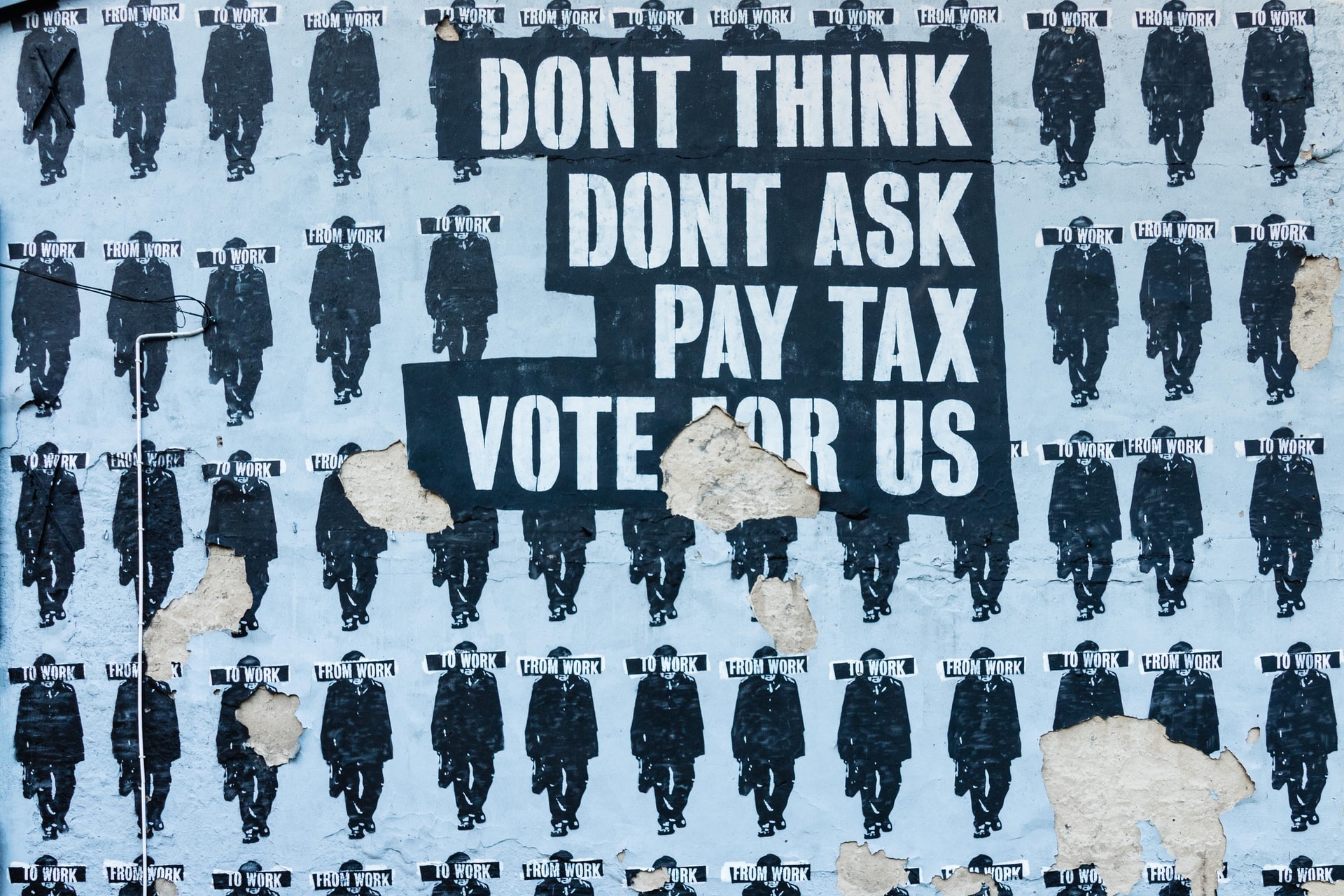
Most of us believe that politics is dirty and immoral. So anything done or said by a politician must have a vested interest or evil plan behind it. Although being cynical of their actions is wise, we need to understand the politics of good actions or ‘nice guy politics’.
If a terrible leader plants trees (legally), however self-interested he is, we should appreciate that he planted trees. We need to cheer when he does that, and I will tell you why this is important. In response, his rival may plant twice as many trees, and you cheer that as well. This creates a positive chain of events. So we need to applaud the good steps taken by politicians we dislike; unfortunately, we talk only about the bad politics.
The idea that there is a probability that he had good intentions is lost on us. Since we have decided to believe otherwise, there is no incentive for anyone to do good and progressive deeds, devoid of any political motive.
As a voter, you need not elect him because he plated trees in your neighbourhood, but it must be communicated to him that a section of the society appreciates that he did. I say this because all stakeholders in this equation have certain expectations from the system, and everyone is serving their own self-interest. So unless enough people feel that protecting the environment is in their self-interest, nothing will happen. It is easy for citizens to collaborate for environmental protection, but what about the other stakeholders? Why should the government or corporations care about the environment? As citizens, we choose the elected representatives, and as consumers, we choose the products we buy. Unfortunately, the power of these two actions is often not understood or exercised.
Hypothetically speaking, a certain NGO led by a voter and a law-abiding citizen may want the government to ban the unauthorized use of land by certain corporations in Mumbai. However, the ruling and opposition party conveniently ignore such a demand by the NGO. For the political parties, the question is not about the reasonability or legality of the demand but more about what makes the most political sense.
Specific steps to ensure good governance can mean political suicide for politicians, for instance, when polluting corporations are also big donors to political parties. Unless politicians feel that being the nice guy also ensures visibility and increased political success, they will not touch things that really matter. As consumers, in the case of corporations, we can demand environmentally friendly products and shun those brands that pollute.
So when someone talks about implementing rainwater harvesting in Mumbai, we need to applaud their efforts. When politicians realize that such issues help them win your support, other issues will take a back seat in their manifesto. What happens when lakhs of people in Indian cities talk about rainwater harvesting and water management? Political parties will rush to include it in their agenda. Only this can end communal and divisive politics in India.
Talk openly about saving the sparrows, cleaning up a river near your house, protecting playgrounds from encroachment and other issues that matter to you. Unless politicians feel these issues will get them elected, indulging in them, discussing them will mean political suicide. Hence essential issues are never taken up seriously by the newly elected representatives.
Condemning ‘good’ actions of ‘politicians’ is not always a smart move.

 Mihir Narvilkar
This is such a good post. You should write more often, Mihir!
LikeLike